

Quick Links
In our work with the Pennsylvania Creative Industries (formerly known as PA Council on the Arts), we facilitated two distinct, connected projects aimed at strengthening the professional community of partner networks and increasing connectivity across the state.
The first was a three-part Virtual Connection Café series showcasing each of the network’s distinct portfolios, and the second was a two-day virtual retreat and training for the partner organizations it supports.
The goal was to move their partners from a loose roster of grantees toward a genuine, collaborative coalition. This required attendees to feel deeply connected to one another and equipped with the organizing skills to lead in their own communities.
what we did
Designed and facilitated a three-part Virtual Connection Café series across their partner networks (Arts in Education, Pennsylvania Partners in the Arts, and Folk & Traditional Arts)
Built a statewide trivia game spanning 14 regions to bond partners and surface the state’s arts landscape
Designed and facilitated a two-day virtual retreat for 50 partner representatives
Ran a Pro-Action Café around 10 pre-identified collaboration opportunities
Trained the network in community organizing using the Community Guided Method, with accompanying Field Guides and Hot Seat feedback rounds
how we did it
A three-part Connection Café series
We started by facilitating three Virtual Connection Cafes, each designed to engage and showcase different partner networks, including Arts in Education (AIE), Pennsylvania Partner in the Arts (PPA), and Folk and Traditional Arts.
Strengthening PA Communities
The first Connection Cafe focused on facilitating conversations around three key pillars of PCA: Strengthening PA Communities, Connecting and Increasing Access to Lifelong Learning, and Championing Public Awareness and Appreciation. Through guided discussions, participants explored these themes and shared ideas on how to enhance their impact in their communities.
Statewide Trivia Game
The second Connection Cafe featured a trivia game designed to foster team bonding and educate participants about the opportunities for arts engagement across the state. Participants answered trivia questions representing 14 different regions in the state, providing a fun and engaging way to learn about each other’s work and the diverse arts landscape of Pennsylvania. This activity not only enhanced participants’ knowledge but strengthened their connections as they worked together in teams.
Virtual Artist Meet-and-Greet
The third Connection Cafe offered a unique opportunity for participants to virtually meet folk artists from different regions. Participants could choose from various virtual rooms to visit artists who specialized in activities such as Indian dance, Pysanky egg decorating, and whistle carving. This session aimed to strengthen connections within the network while providing a platform for cultural exchange and learning.
A two-day retreat: from collaboration to organizing
Next, we hosted the organization’s annual gathering for partner organizations which brought together 50 representatives from various regional partner networks. We designed and facilitated a comprehensive training that fostered collaboration and provided participants with actionable tools and meaningful connections.
Day 1 // Pro-Action Cafe
The first day of the retreat featured a Pro-Action Cafe designed to explore collaborative initiatives and identify opportunities for increased cooperation among PCA partners. Prior to the retreat, we identified 10 key opportunities for collaboration that would enable attendees to lead better in their community. Participants rotated through three discussion rounds that ultimately identified common themes and next steps for the group to pursue together.
Day 2 // Community Organizing 101
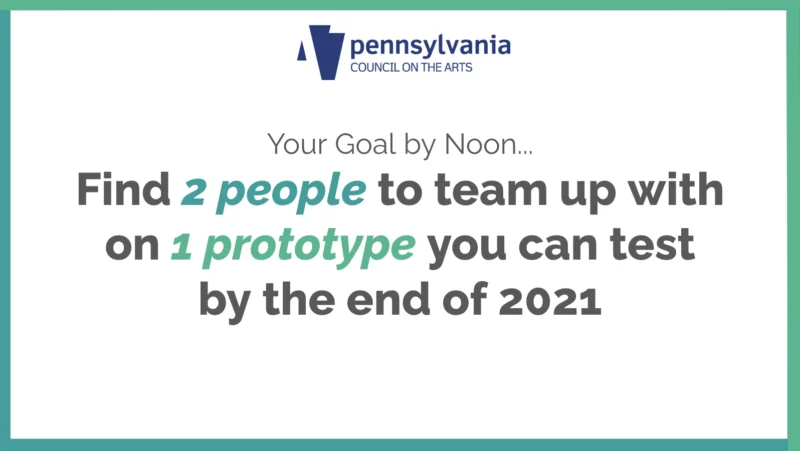
The second day of the retreat focused on teaching participants the fundamentals of community organizing using the Community Guided Method. Each participant received a Field Guide, and we conducted a comprehensive session on applying the framework to their work. We facilitated a Hot Seat discussion format that allowed participants to present and receive feedback on their collaboration ideas. Each Hot Seat had a different focus – including identifying key people and early adopters they should engage with, and specific prototypes they could develop and explore together.