
Quick Links
Working with Primrose — one of the country’s top preschools — we designed a distinctive professional development program known as the Primrose QI Skills Professional Development Program (PQI).
Partnering with a team of learning designers, we set out to give Primrose staff a genuinely engaging PD experience. The training was co-developed with Primrose staff, built from a series of listening sessions across the country and an Ambassador program. The final result was a product that was both practical and impactful, because the people who’d use it helped shape it.
what we did
- Co-designed the Primrose QI Skills PD Program (PQI) with a team of learning designers
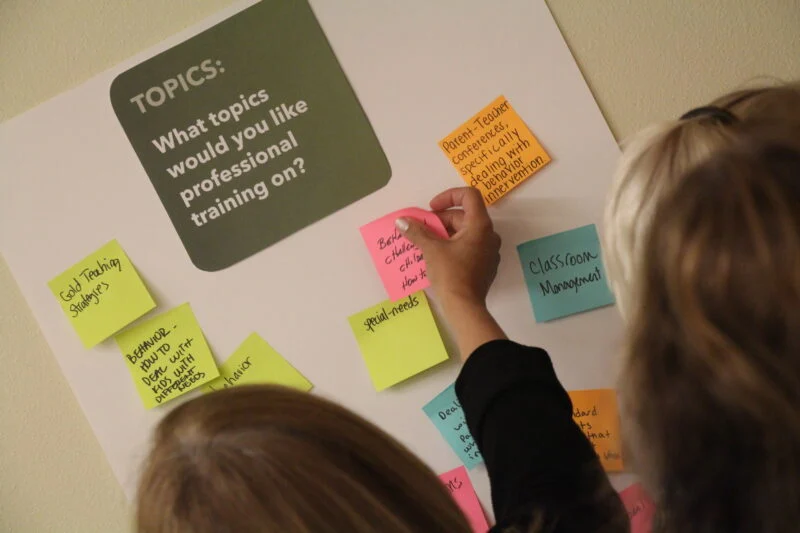
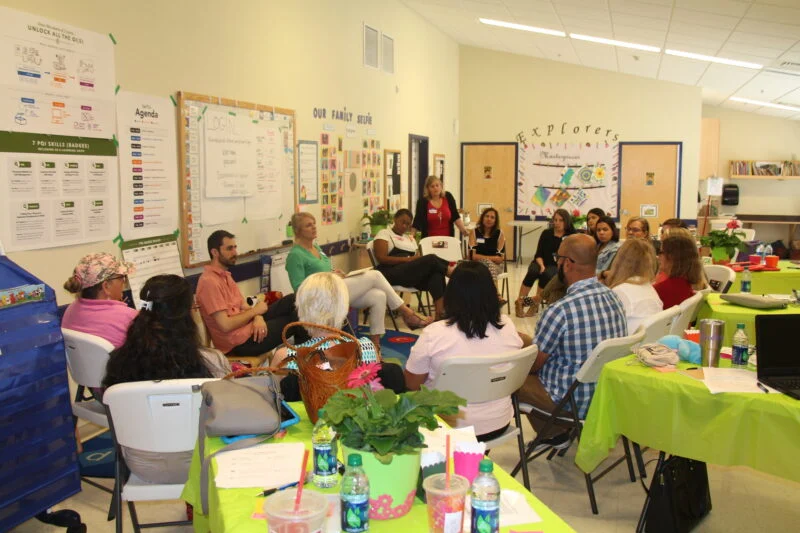
- Ran cross-country listening sessions and site visits
- Established an Ambassador program at select facilities for iterative beta-testing and co-creation
- Oversaw the build-out of all materials and presented the final training in person to Primrose leadership
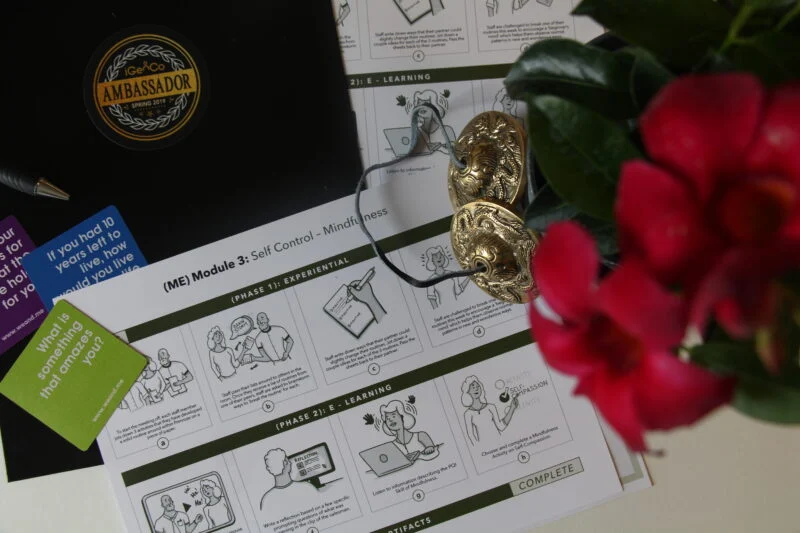
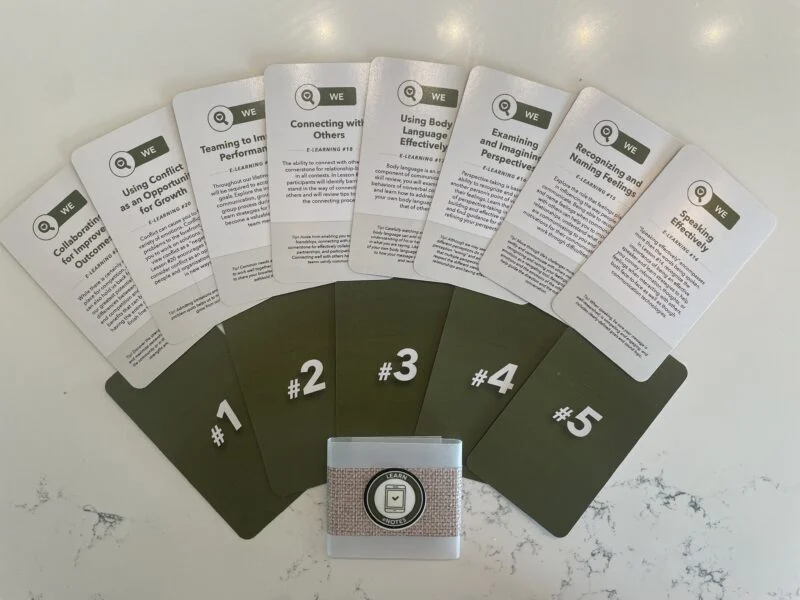
- Produced a tangible PD kit (the Primrose QI Skills Box) plus a database of e-learning modules

how we did it
Building on the QI Skills framework
We partnered with Dr. Laura Jana to develop the training using her QI (pronounced “key”) skills framework. These skills describe a set of valuable 21st century skills that are sometimes known as “soft” skills (such as emotional intelligence, creativity and grit) and are critical for toddlers – and adults – to learn. Dr. Laura Jana breaks these down into seven core categories:
- ME: Self-awareness, self-regulation, attention, and focus.
- WE: Empathy, listening, communication, and teamwork.
- WHY: Questioning, curiosity and inquisitiveness.
- WILL: Self-motivation, drive, persistence, and perseverance.
- WIGGLE: Physical and intellectual restlessness.
- WOBBLE: Agility, adaptability, resilience, and learning from failure.
- WHAT IF: Imagination and creativity.
Site visits and interviews
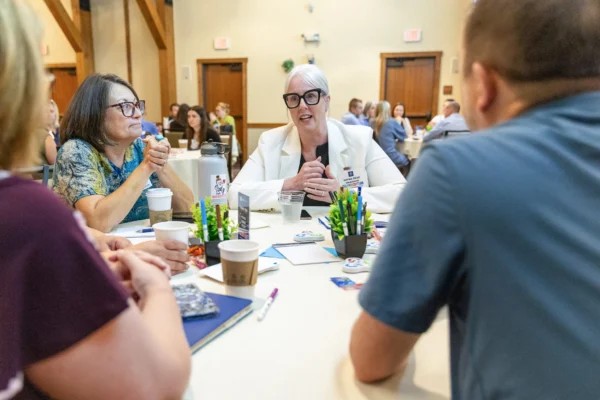
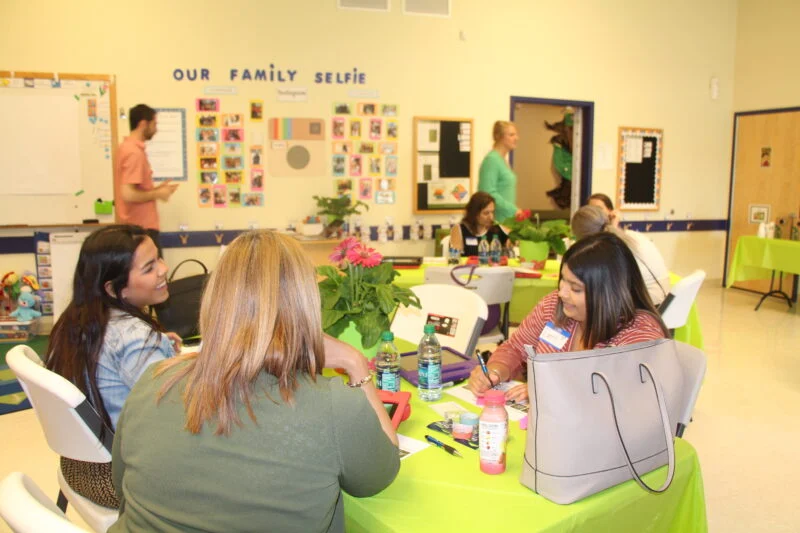
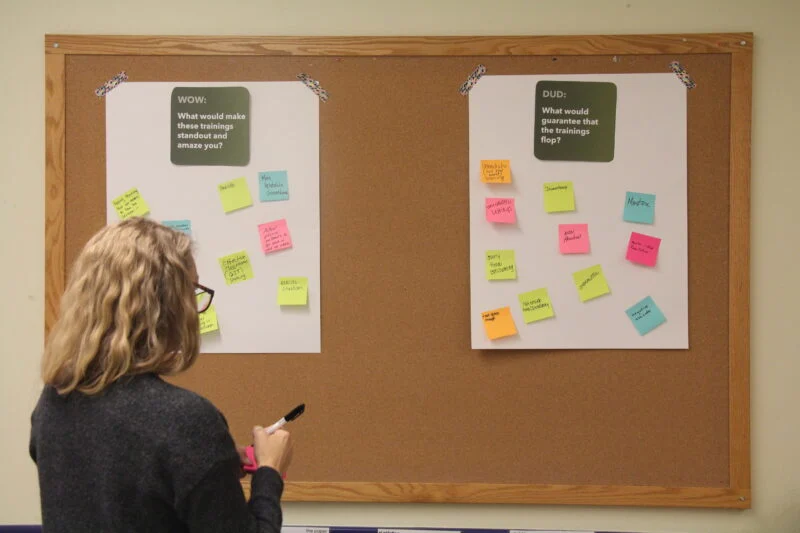
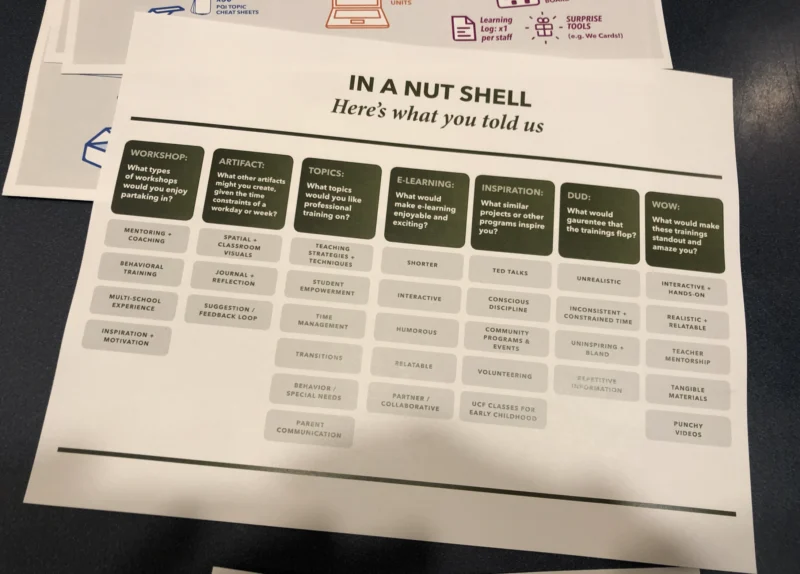
Using design thinking, we started with empathic inquiry — observation and conversation to understand teachers’ and staff’s real perspectives and lived experiences. A series of listening sessions and site visits across the country let us gather qualitative data and test our assumptions: getting to know Primrose’s spaces, the energy of its students, and the views of its people through open-ended conversations we recorded and shared with the design team. That surfaced the problems PQI could help solve — reducing staff turnover, easing perceived gaps between teachers and leadership, and making training effectiveness visible in the classroom.
An Ambassador program for iterative testing
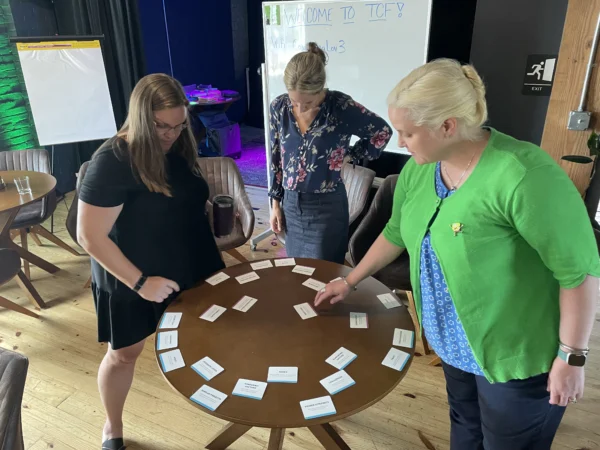
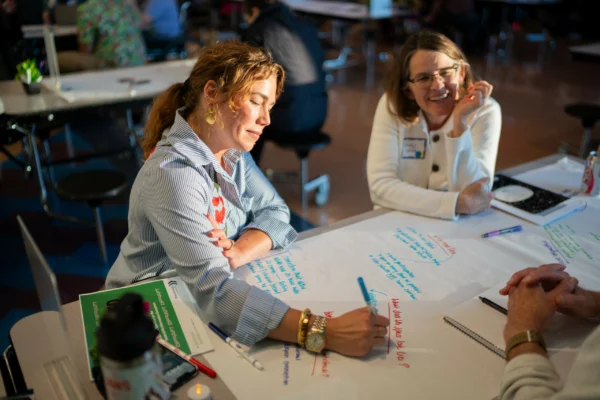
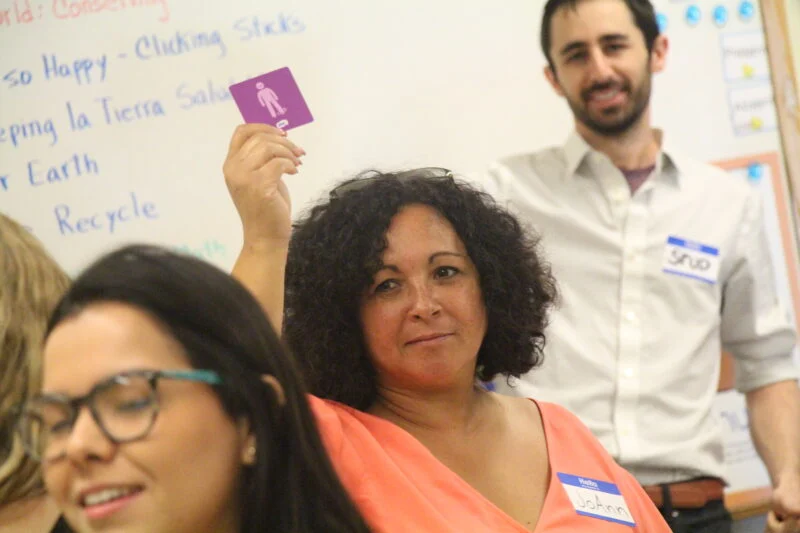
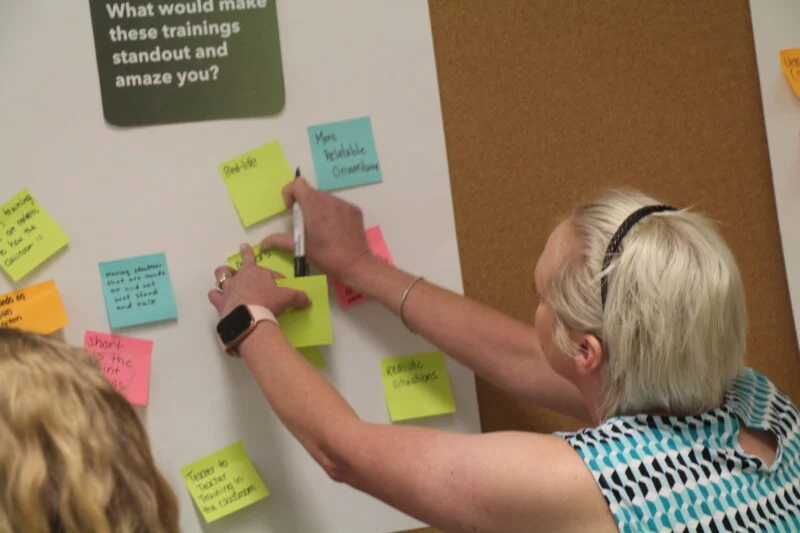
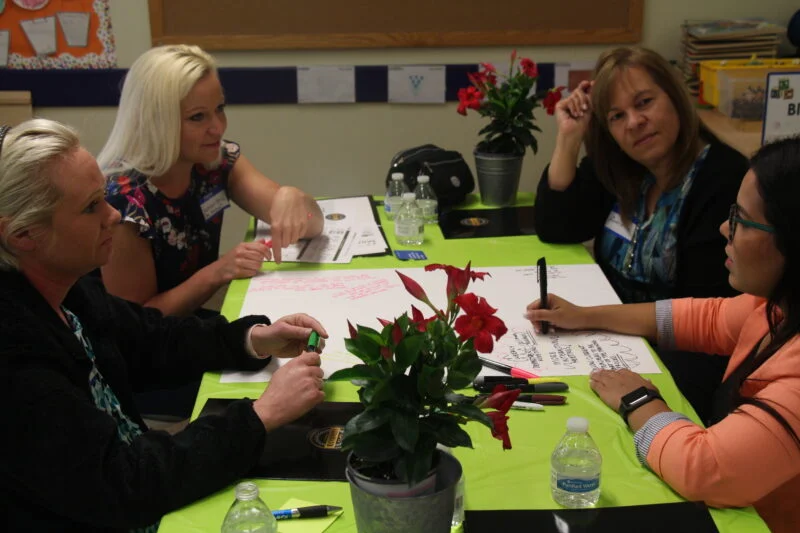
Based on those findings, we established an Ambassador program at select facilities to beta-test activities and training elements and gather real-time feedback. We visited the Ambassadors twice for facilitated retreats that pulled them into co-creating the training itself. It mattered that staff saw themselves as key players in designing the final product. With their feedback and our interview insights, we guided the build-out of all materials and presented the finished training in person to Primrose’s leadership team.
The final product
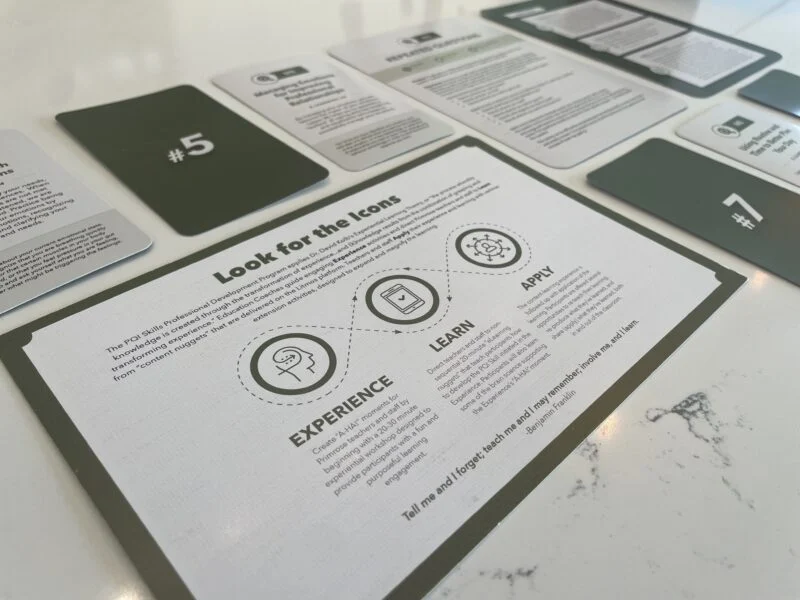
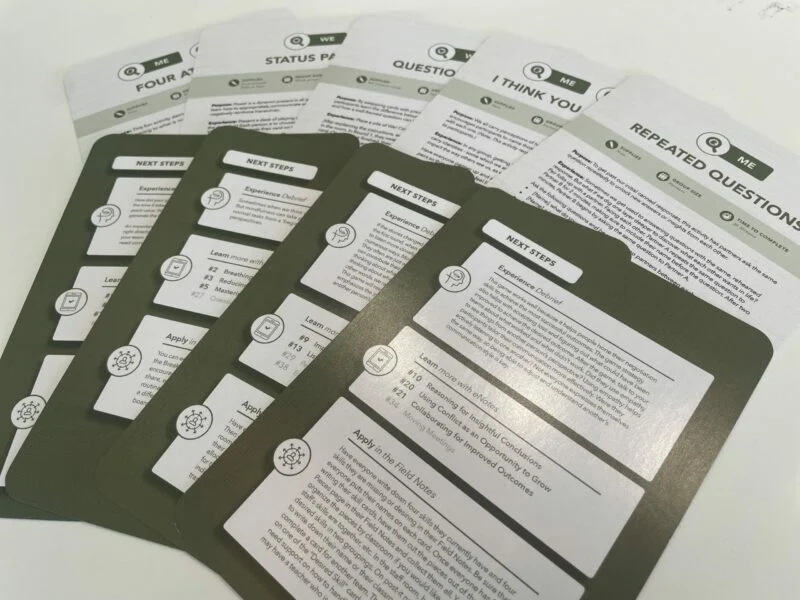
The result was a professional development kit built around Kolb’s Experiential Learning Model (Experience → Learn → Apply) that guides staff through each tier using the QI Skills framework. Alongside a database of e-learning modules, we designed the Primrose QI Skills Box (PSB), a tangible kit for each facility:
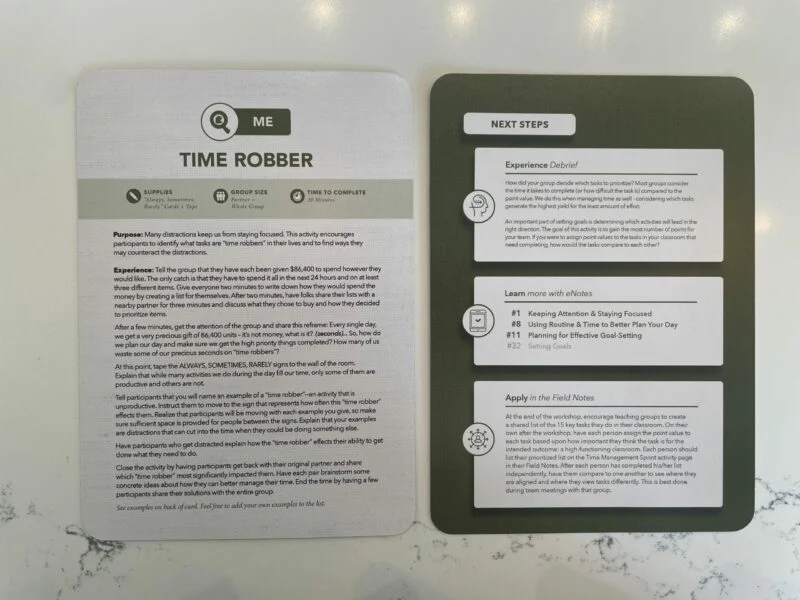
- Experience: 20–30 minute Experiential Activities that build connection between staff and introduce the QI skills, with detailed Experience Cards and simple props like Question Cards housed in a “Goodie Bag.”
- Learn: an online learning platform breaking the QI Skills into 50+ distinct competencies, with tangible e-Notes cards (summaries and tips) and a Pocket Chart to house them and cue each month’s e-Learning focus.
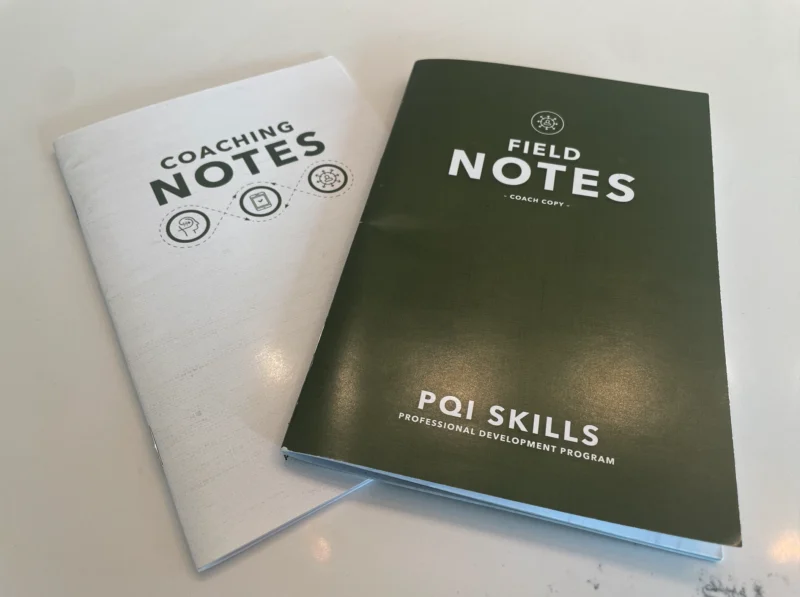
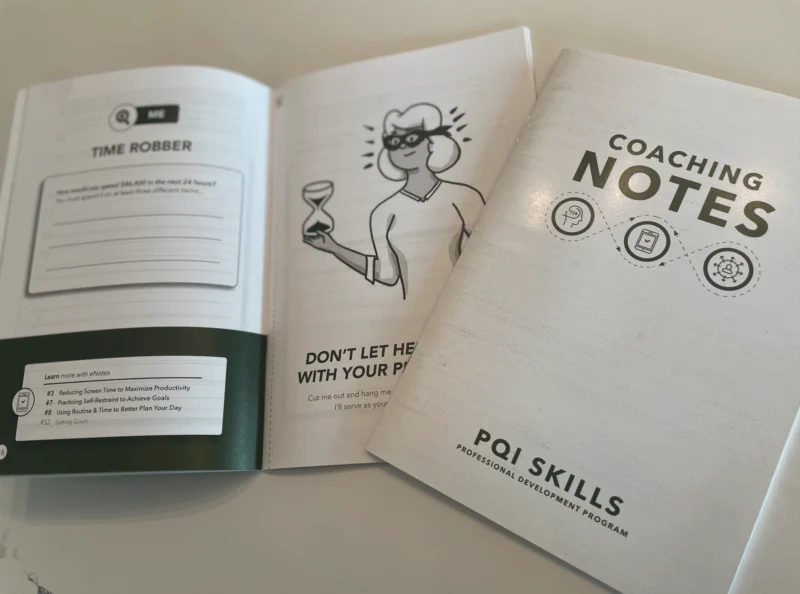
- Apply: Field Notes — a book of extension activities for individuals or groups — plus a Coach’s Copy that gives each facility’s Education Coach facilitation notes and the pedagogical reasoning behind each concept.